
From The Ground Up
The Journal

Issue 09
...read moreLate summer is the perfect time to start light pruning in the garden. It’s when many shrubs, flowering plants like roses, and herbs like lavender and thyme can be trimmed back to encourage a final flush of growth before autumn. Deadheading also stops the plant from wasting energy on seed production, redirecting it instead to root strength and resilience.
I still find it difficult to cut down flowering branches. There’s something about snipping off something that looks so alive and beautiful that feels wrong. But over time, I’ve learned that if I don’t, the plant struggles. It becomes tangled, heavy and overgrown and it pulls the whole plant down into the bed. With a little trust and restraint, that hard cut allows it to stay upright and bloom more fully and freely.
This is the essence of seasonal cleansing. Whether in your garden or in your daily habits, small acts of removal can yield powerful regeneration. Sometimes, letting go is the most generous thing we can do for what we want to thrive.
Issue 08
...read moreGardening, even at its simplest, offers a tactile intimacy with the natural world that our bodies instinctively recognise. Running your fingers through soil, pruning a herb with bare hands, brushing past lavender or tomato leaves and catching their unmistakable scent… these are all small grounding rituals. Direct contact with the earth has been shown to reduce inflammation, calm the nervous system and regulate mood.
There’s a quiet exchange in this physical contact with nature. You touch a leaf; it brushes back. You dig a hole; the soil releases scent and memory. Touch, in this context, becomes a reminder that we are not separate from the world we live in. We are a part of it — one living, breathing organism among many.
This week, try to go outside and touch something living: the bark of a tree, the petal of a flower, the earth in your garden or a potted plant on your windowsill. Let it be a moment of reconnection: a soft, silent dialogue between your skin and the natural world.

Issue 07
...read moreIn the same vein as the fragmentary pleasure of Astonishing Things, I untied a few small flower presses yesterday that had been forgotten on the bookshelf since an afternoon experimenting with my daughter. I couldn’t have told you what she’d gathered that day, but as I lifted each layer, the paper-thin buttercups, geranium buds and rose petals opened something far larger: the whole afternoon came rushing back. Her proud little face, the sun, the sweetness of being in that shared moment and the excitement of tucking something small and precious away to preserve something vast.
When we were in Cornwall recently, she found a four-leaf clover and tucked it into the pages of her book. She carried it around all week, and then decided, entirely on her own, to post it to someone she felt needed the luck more than she did. When she posted her tiny envelope in the letterbox, it marked something bigger even than the magic and rarity of a four-leaf clover; a moment of loving care.
It's a reminder that sometimes a little scrap, preserved, offers a kind of beauty that lasts — not in scale or even permanence, but in feeling. The kind you don’t forget.
Issue 06
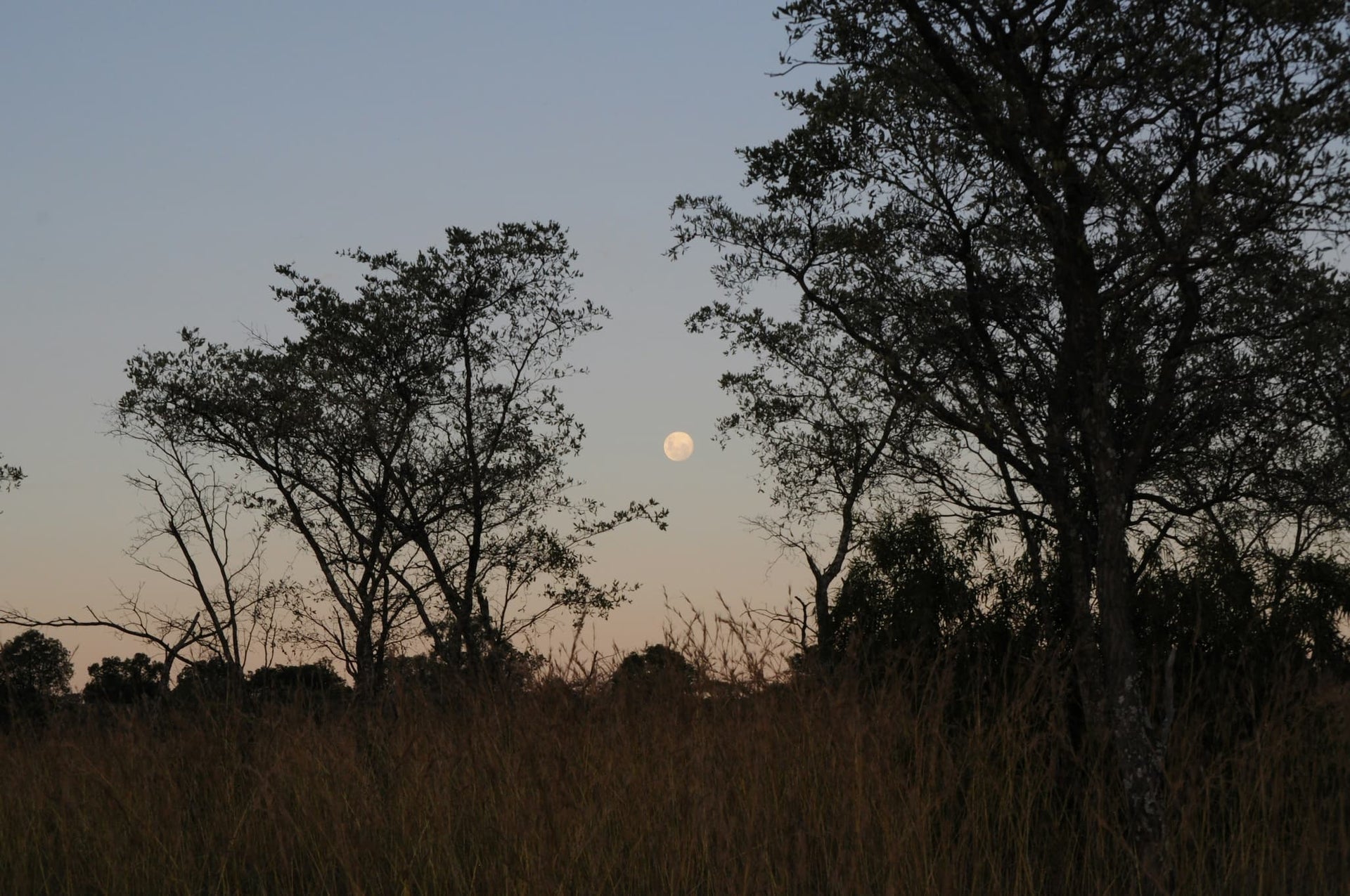
...read moreAt dusk, something quiet happens in the trees — something most of us never notice. Using time-lapse laser scanning, researchers have discovered that many trees gently lower their branches by 8-10 centimetres at night. A kind of exhale, or slow bow to the dark.
Trees respond not to touch or noise, but to light and rhythm. They have their own circadian cycle; the same invisible clock that guides sunflowers to follow the sun tells trees when to rest. Their posture shifts, their energy changes and with very little noise or effort, they surrender to night.
While we often think of sleep as a human function, the truth is that rest is built into the fabric of nature. Many plants close their petals and fold their leaves. Trees let their limbs fall just slightly, like the body softening before bed.
So, as the sun goes down and the light dims, instead ofstaying wired and upright—overriding nature's signal—maybe we should allow ourselves to guiltlessly shut everything down, give in to gravity and obey (or rather, return to) a much deeper and wiser rhythm.
Issue 05
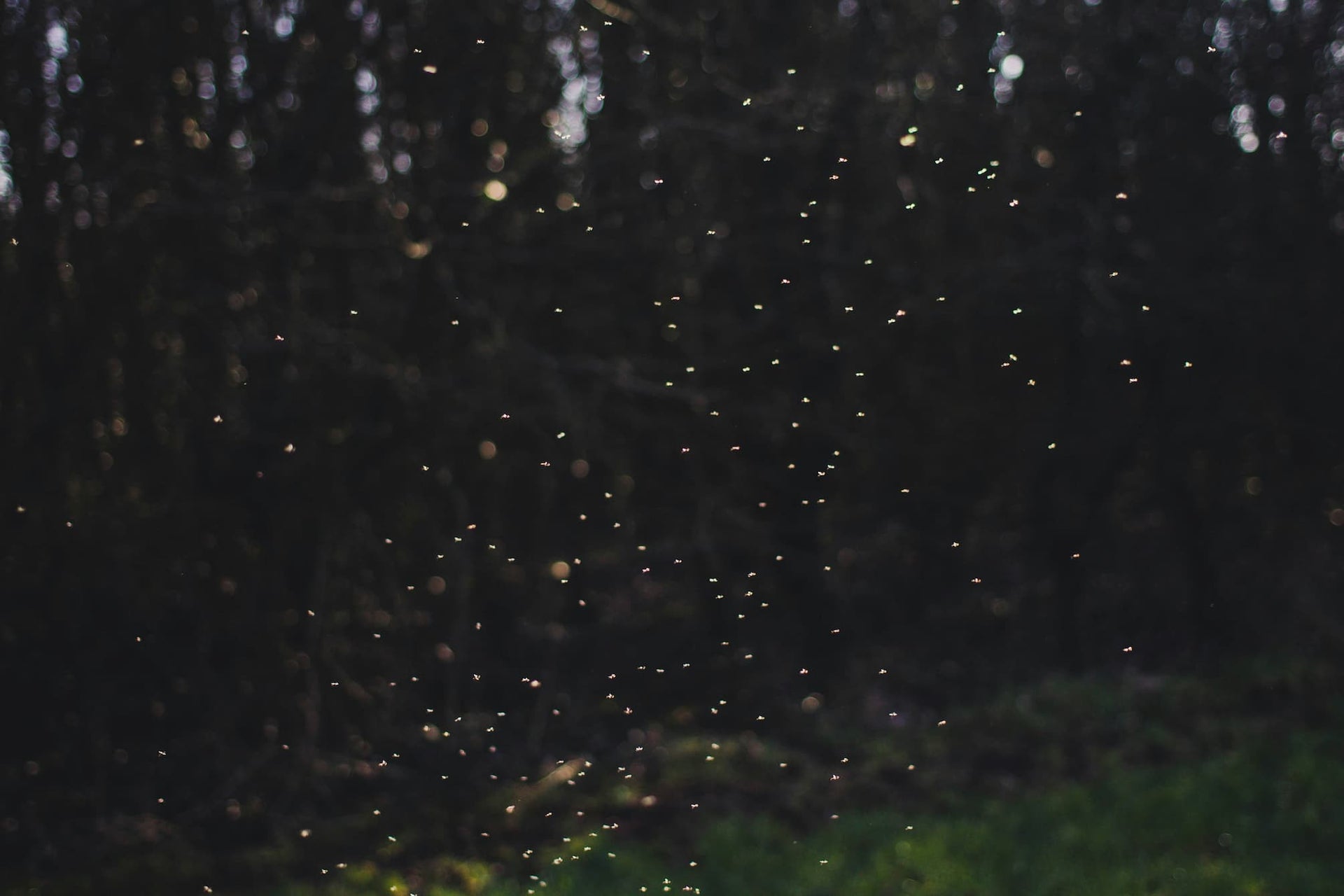
...read moreThis week, I found myself captivated by an article about fireflies. These small, flickering insects — symbols of summer evenings — are quietly disappearing. Excessive artificial light, especially in our towns and gardens, is disrupting their mating rituals and survival. As light pollution rises by nearly 10% each year, we are unintentionally drowning out one of nature’s most delicate sources of light.
But why do fireflies matter?Fireflies, or lightning bugs, produce their light through bioluminescence.For fireflies, light is life. It’s how they attract mates, how they communicate, and in some species, how they ward off predators. Their gentle pulses form a living language in the dark. When artificial lights flood their habitats, this language is drowned out, causing their numbers to decline.
Fireflies aren’t alone. In nature, bioluminescence is shared by other incredible creatures: deep-sea fish, plankton that light up the ocean at night, certain fungi that make forest floors faintly glow. These organisms use light for survival, for connection, and for beauty.
It’s a reminder that not all light is ours to control. By reducing unnecessary artificial light at night, we can give fireflies and countless other nocturnal creatures the darkness back they need for their own life-giving light.
Issue 04
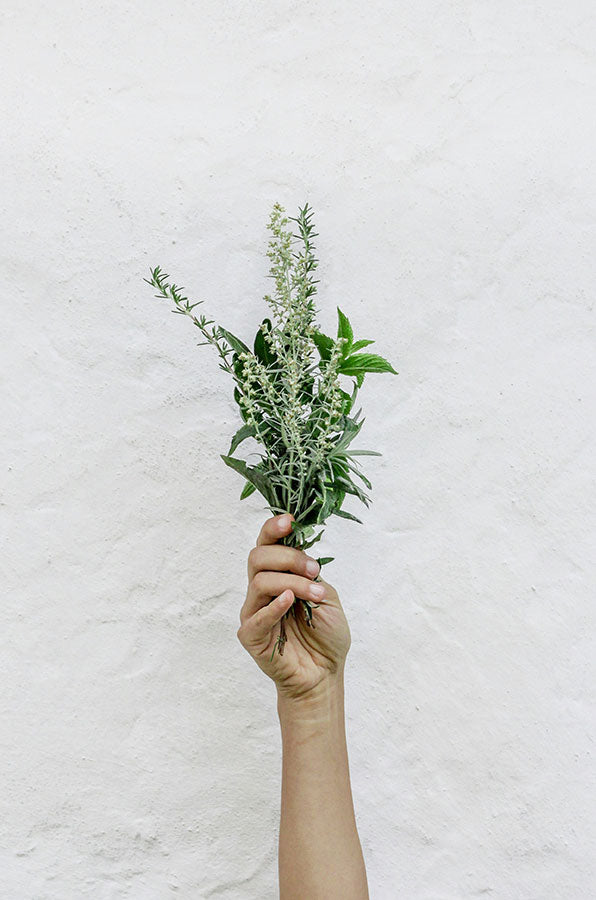
...read moreI’ve been growing mint and lemon verbena in my gardenand I’ve found the simple ritual of picking their leaves, steeping them and drinking the tea strangely meaningful. It’s such a small act, yet it feels deeply grounding; the garden offering something alive, the body receiving it, the mind settling into the warmth and scent. I suddenly understand the 'ceremony'; one that seems to pull us out of conventional time for a moment and align the physical with the spiritual.If you don’t have a garden, grow a few pots inside. Tear fresh basil into your salads, stuff a teapot with peppermint leaves, drop rosemary into your gin. They're small, sensory rituals — small alchemies — that help bring us back to ourselves.
Issue 03
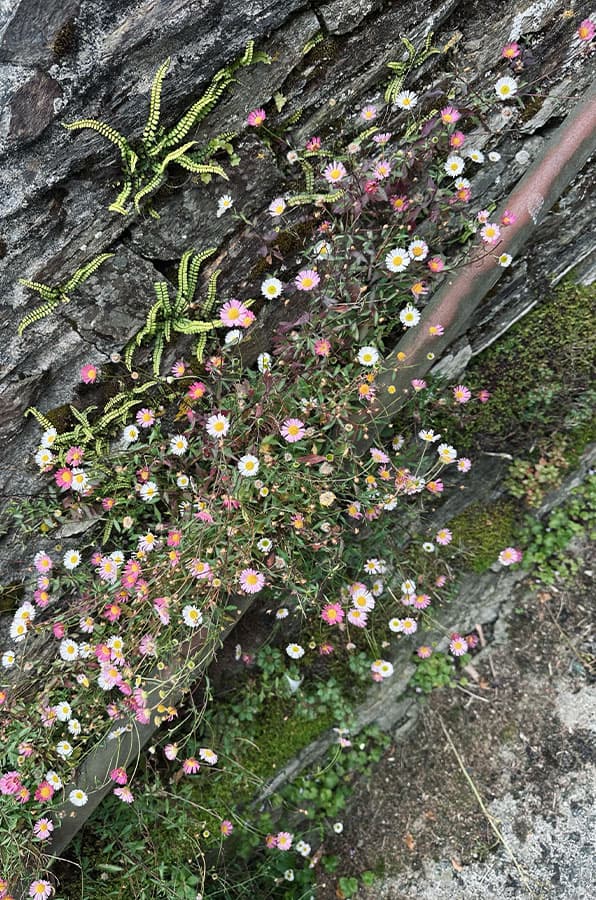
...read moreWhile in Cornwall this week, my daughter looked up at a stone wall and asked me how the daisies managed to grow out of it. I realised I’d never really questioned it; how, in the small fishing village we return to each year, almost every wall is softened by wild valerian, foxgloves, or daisy heads blossoming through the cracks. It struck me that, much like us, these wildflowers don’t just survive in harsh conditions — they thrive. And they do so because of unseen support: the stones around them trap moisture, minerals and fragments of organic life, creating a micro-environment that nourishes and sustains them. In the same way, even when life feels dry or demanding, our body can find resilience if we give it the right kind of support.
Issue 02
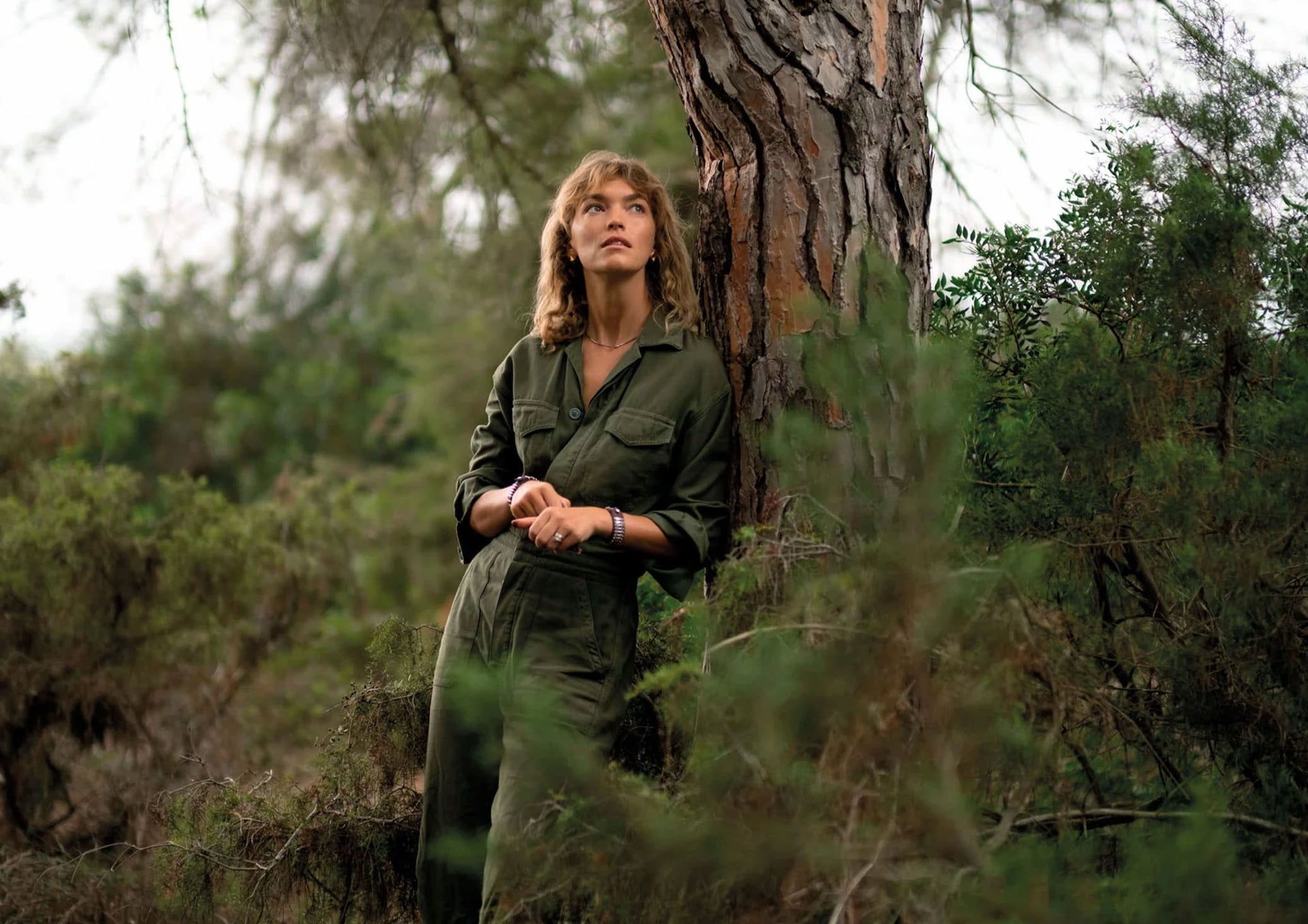
...read moreArizona Muse recently shared avideoon something so simple: the importance of getting our hands and feet onto the Earth. Not metaphorically but literally. Skin to soil, barefoot on grass, palms in the dirt.This practice, often referred to as grounding or earthing, is rooted in both ancient wisdom and growing scientific interest. It speaks to something our bodies have always known: we are not separate from nature; we are of it. And yet, in our modern lives, we so often move through the world insulated from the very ground that sustains us.Arizona spoke about how this connection supports nervous system regulation, calming the body and bringing us back into a state of presence. The Earth’s surface holds a subtle electrical charge, and emerging research suggests that when we make direct contact — bare feet on soil, hands in sand or sea — we allow our bodies to absorb free electrons, which may help neutralise inflammation and oxidative stress.But beyond the science, there is the felt experience: how a few quiet minutes standing barefoot on the grass can restore a frayed mood. How digging your hands into soil while planting something — a herb, a flower, a tree — can quieten mental noise and awaken a sense of belonging. It’s a reconnection not just with the land, but with ourselves.In this season of warmer days, it's the perfect time to step outside. Take off your shoes. Press your palms against tree bark, or let your feet sink into sand. Feel the ground hold you. You don’t need a forest or a ritual. Just a moment. Just contact.As Arizona reminds us: healing often begins at ground level.
Issue 01
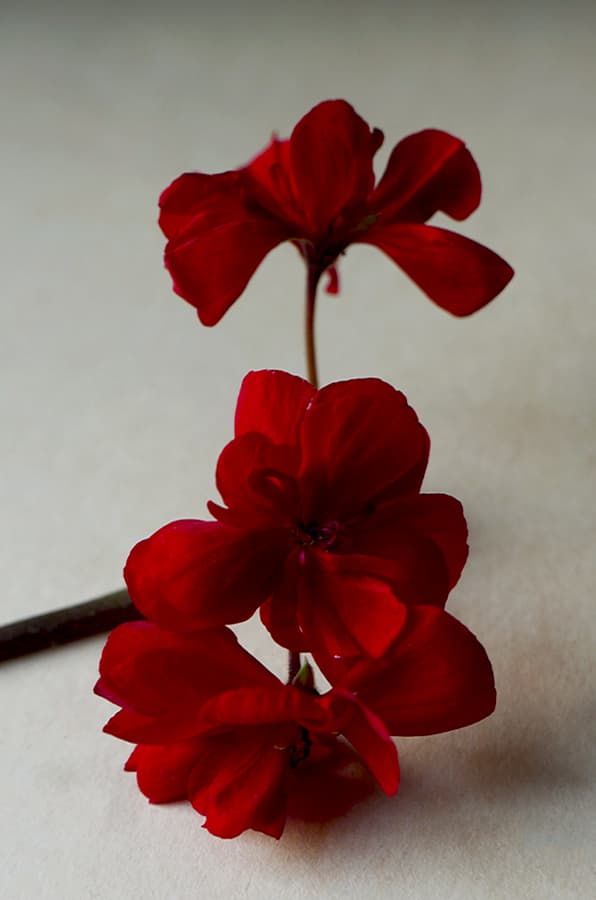
...read moreThere’s something deeply healing about tending to the garden, even in the smallest way, and an easy (and inexpensive) trick to make your garden, terrace or balcony come to life and bring you instant fulfilment is with geraniums. This week, I replanted old geranium stems from last year, ones that looked half-lost but were still clinging to life. With just a little care and attention, they’ve rooted, bloomed, and now spill their joy across our terrace.
It’s reminded me how closely our own health mirrors the garden: we don’t always have to start over — sometimes we just need to slow down, nourish what’s already there, and allow space to grow again.
