Yes. Historically, simply due to limitations of the equipment available, portraiture used to be very still. Very precise. Painterly and quite austere-looking, generally. I was never a trained photographer and never learned the ‘rule of thirds’; never learned lighting; certainly never learned Photoshop. It’s a bit hackneyed to talk about the beauty of the happy accidents, but that really is what I responded to over time: perfection in imperfection. I liked to be mobile and move around, even when taking portraits. I’m sure that was down to me responding to photographers like Frank, Davidson, Duane Michals, Stephen Shore, Joel Meyerowitz, etc. They were always revealing beauty in a practice more guided by truth than artifice or fantasy.
I think portrait photography is also often viewed as an ‘exchange’. Transactional somehow. The photographer dances with a subject, trying to direct or elicit a feeling or an expression, and the subject decides whether to dance back. A mask usually remains. You try to find an ebb and flow, a rhythm, but I came to view the moments of joy to be found in the ‘break’ from that: a veil slips, direction falls away, composition and precision don’t really govern anything and you get a moment of revelation that is far more ‘beautiful’ because it is honest. Even if it’s 1/60th of a second of honesty.
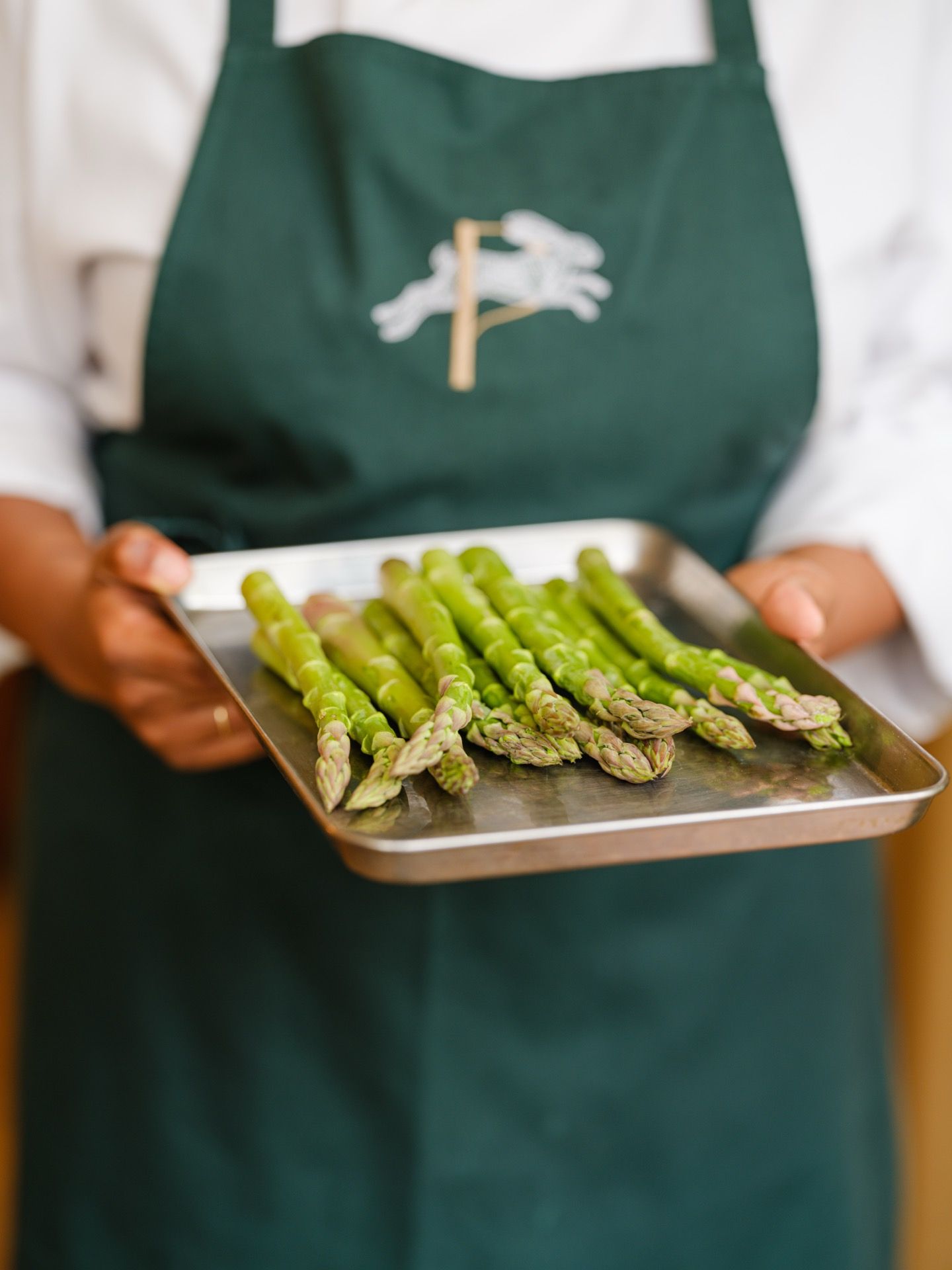
Film photography also charts your approach, to some degree, because the magic and intention of only 12 or 36 shots to a roll enforce a premium on observation and care that digital doesn’t. For instance, over time I realised that I was drawn to a subject’s hands. Man or woman, young or old, I found that body part to be unfailingly expressive and beautiful and always demanding of attention. When Vanderohe is formulated by hand, for instance, there is a grace and beauty that can be found in documenting the character of the hands that make something precious. The Georgia O’Keeffe and Alfred Stieglitz book has particularly moving examples of studies of the hand.