Protect your attention...
The modern world rarely allows the mind to settle. We move from headline to headline, message to message, demand to demand, carrying far more emotional stimuli than I think we were ever designed to hold. There is so much noise, so much urgency, so much endless consumption of information that, eventually, the body begins speaking on behalf of the mind.
Two years ago, I found myself involved in a legal case after someone close to me had been financially exploited. I spent weeks reading deeply abusive emails sent by the person involved. Day after day, I immersed myself in hostility, manipulation and distress because there was no alternative; I needed to help protect someone I loved. I had no choice but to experience the past in the present and witness emotional coercion on such an extreme level, without being able to prevent the harm already caused.
It consumed my focus and my attention. I found myself shaking uncontrollably every time I had to speak about the case. Every day I woke already braced for impact. My nervous system had nowhere to put the fear, anger and helplessness. I was absorbing an atmosphere of aggression from morning until night. I thought I was coping relatively well until, later that summer, I discovered I’d developed alopecia.
I’m currently halfway through Famesick by Lena Dunham, and here I recognise a different but similar sense of overwhelm. Amidst the chaos of fame and the fragmentation of her attention in creating, writing, directing and acting in Girls, her body repeatedly tried to save her from herself. She overrode her own signals and stretched herself far beyond what was emotionally survivable, over and over again.
In a state of overwhelm, our attention no longer belongs to us. As Kirsty Gallagher describes, it becomes fought for by so many external forces that it is eventually dragged outside of us. We lose our centre of self. We look outward for guidance when what we often need most is to return inward: to focus on our nervous system and slow down enough to notice the signs we've been missing.
We underestimate how deeply our emotional lives are shaped by what we expose ourselves to repeatedly. Attention is not neutral. The mind absorbs texture, tone, pace, emotion. It carries what we feed it.
When I discovered the alopecia, instinctively, I put my children into the car and drove to Cornwall, which has always felt like a place of refuge to me. We spent our days outside from morning until evening. No plans. No distractions. We searched for shards of sea glass in the sand and watched ferries pass the lighthouse at St Anthony Head. Hours went by without urgency and something inside me began settling again. I could feel my mind widening back out into its natural shape.
By the time we returned home, I was able to face everything again with clarity and steadiness. The circumstances had not changed. The legal case still existed. Yet my nervous system had finally been given space to recover from relentless stimulation. My hair gradually, thankfully, grew back, but the lesson remained.
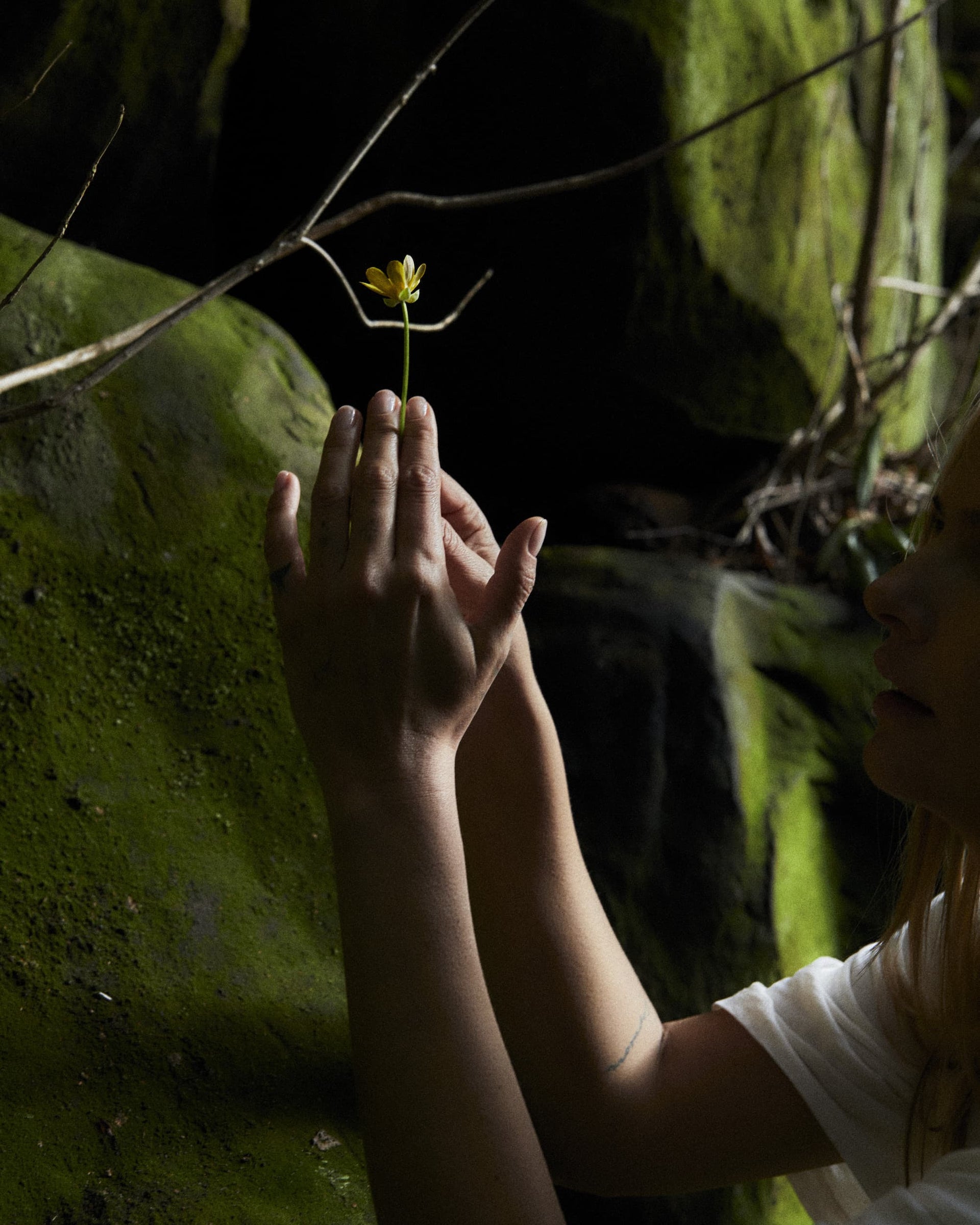
I listen acutely to where my attention is now. I read whenever I can. I spend most weekends in the garden, planting, pruning, watering. My father always says you have to really love the garden for it to bloom. Well, the garden became my most beloved focus of attention, right after my kids, and my most reciprocal relationship. It asked for presence; it gave butterflies. It asked for care; it slowly extended tendrils of jasmine around each corner and, at dusk, released its sweet scent. It asked me to accept slowness and understand that living things cannot be rushed into flourishing...and I learned that neither can we.
There is so much pressure now to consume more, produce more, respond faster, know everything immediately. I think healing often begins in the opposite direction: reducing the amount we ask our minds and bodies to carry; protecting our attention more carefully; creating lives with enough space inside them to think clearly again; learning when to step away before the body forces us to. In short, tending to our ecological self.
Olivia x

BTS

Roots

Body

Long Haul

Mind